Monday, March 25, 2024

The Enigmatic Spirits of Tolomato Cemetery: St. Augustine's Sacred Ground
The Enigmatic Spirits of Tolomato Cemetery: St. Augustine's Sacred Ground

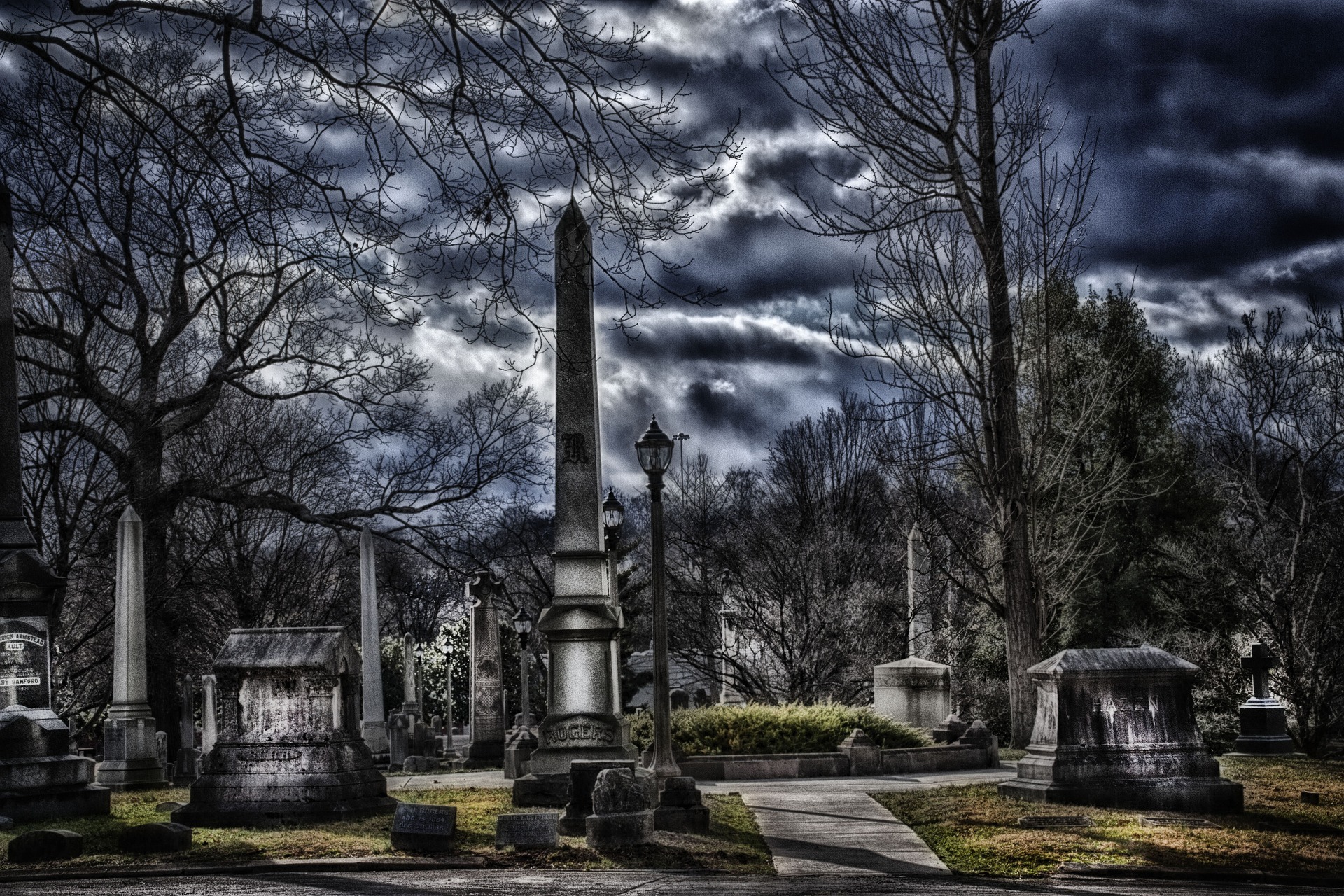
Image by Tammy Stewart from Pixabay of a random graveyard.

Nestled in the heart of St. Augustine, the Tolomato Cemetery stands as a silent witness to centuries of history, culture, and the eternal mysteries of the afterlife. 

With origins dating back to the 18th century, this sacred ground serves not only as the final resting place for the city's earliest inhabitants but also as a nexus for tales of the supernatural and the enigmatic spirits that are said to dwell within its confines. 

This article delves into the lore and allure of the Tolomato Cemetery, exploring the ghostly narratives that beckon the living to peer into the world of the departed.

A Portal to the Past

The Tolomato Cemetery's history is as rich and layered as the city of St. Augustine itself. Originally part of a Franciscan mission, it became a burial ground for the Catholic community, including many of Spanish, Native American, and African descent. Each headstone, unmarked grave, and mausoleum tells a story of life in America's oldest city, from ordinary citizens to notable figures who played pivotal roles in St. Augustine's development.

The Boy by the Gate: A Tale of Timeless Play

Among the spirits said to haunt Tolomato is that of a young boy named James, whose grave is marked by a modest stone near the cemetery's entrance. Legend has it that James, who died in the late 19th century, is often seen playing near the gates or sitting quietly by his resting place. Visitors and paranormal investigators report feeling a sense of innocence and sadness, intertwined with the playful energy of a child who seems unaware of his ethereal existence.

The Faithful Guardian: Father Varela's Eternal Vigil

Another prominent figure interred within the cemetery is Father Félix Varela, a revered priest and educator who spent his final years in St. Augustine. Although his remains were later moved to Cuba, many believe that his spirit still watches over the cemetery and its inhabitants. Stories abound of a benevolent presence, comforting the sorrowful and guiding lost souls towards peace, embodying Father Varela's lifelong dedication to service and compassion.

Unexplained Phenomena: Whispers Among the Graves

The Tolomato Cemetery is a hotspot for unexplained phenomena that defy logical explanation. Witnesses report mysterious orbs of light floating between the tombstones, gentle touches from unseen hands, and the soft whispering of names carried on the breeze. These experiences contribute to the cemetery's reputation as a place where the veil between the living and the dead is remarkably thin.

A Sanctuary of Spirits

For those who venture into the Tolomato Cemetery, it becomes clear that it is much more than a historic landmark or a collection of ghost stories. It is a sanctuary for spirits who, for reasons known only to the afterlife, remain tethered to this hallowed ground. Whether seeking closure, longing for the company of the living, or fulfilling duties left unfinished, these enigmatic entities add depth to the tapestry of St. Augustine's paranormal landscape.

Conclusion: The Eternal Echoes of Tolomato

The Tolomato Cemetery offers a unique lens through which to view the complexities of history, heritage, and the human soul. Its enigmatic spirits invite us to ponder the mysteries of life after death and the ways in which the past continues to influence the present. In exploring the tales of those who rest within its grounds, we are reminded of the profound connections that exist between all beings—connections that not even death can sever.

As a cornerstone of St. Augustine's storied past and a beacon for those intrigued by the supernatural, the Tolomato Cemetery remains a place of wonder, reflection, and perhaps, understanding. It stands as a testament to the enduring nature of spirit and the timeless allure of the unknown, inviting all who dare to explore the shadows and light of this extraordinary city.

If you're interested in St. Augustine's ghost stories, you can buy the book, Ghosts of St. Augustine Paperback by Tom Lapham on Amazon here. *Affiliate link.

If you plan to be in St. Augustine, which I highly recommend, you can learn more about the Tolomato Cemetery and book a ghost tour here. *Not an affiliate link.

Saturday, March 16, 2024

Entwined Hearts: The Cursed Love at the Love Tree Cottage in St. Augustine

Just a cottage.

In the heart of St. Augustine, where the whispers of the past meet the murmurs of the present, there lies a tale as captivating as the city itself. It's a story woven through the branches of two distinct trees, a palm and an oak, growing together in an eternal embrace. 

This botanical marvel, known as the Love Tree, stands guard over the Love Tree Cottage, a place shrouded in legend and mystery. The tale of cursed love associated with this enchanting spot has intrigued visitors and locals alike for generations, marking it as a must-visit destination for those drawn to the allure of historical romance and paranormal intrigue.

A Love That Defied Time

The legend begins in the late 16th century, shortly after the founding of St. Augustine, America's oldest city. Two young lovers, caught in a whirlwind of passion, sought the blessings of their union under the intertwined canopy of the Love Tree. According to local lore, this act was supposed to guarantee eternal love and happiness. Yet, fate had other plans. The couple's love was forbidden, opposed by their families and the rigid societal norms of their time.

Driven by despair, they made a vow beneath the boughs of the Love Tree: if they could not be together in life, they would unite in death. Legend has it that on the night they planned to elope, they were discovered and met a tragic end. It's said that the spirits of the lovers still linger around the Love Tree Cottage, their whispers carried on the breeze, a testament to their undying love.

The Curse of the Love Tree

The story takes a darker turn with the addition of a curse, believed to befall anyone who attempts to harm the Love Tree. It's said that over the centuries, those who have tried to cut down or damage the trees have faced misfortune and despair, much like the star-crossed lovers who first sought its shelter. This curse has protected the Love Tree, allowing it to flourish and become a symbol of enduring love and resilience against adversity.

Visitors to the Love Tree Cottage are often moved by the story of the cursed lovers and the mystical tree that commemorates their love. Many couples come to the site to declare their love, hoping to capture some of the magic that has made the Love Tree a legendary symbol of romance and devotion.

A Hauntingly Beautiful Attraction

Today, the Love Tree Cottage and its namesake tree are celebrated as one of St. Augustine's most enchanting attractions. Guests are drawn not only to the romantic legend but also to the possibility of encountering the gentle spirits that are said to inhabit the area. Photography enthusiasts, history buffs, and paranormal investigators alike are captivated by the beauty and mystery of the Love Tree, making it a favored subject of photos and stories shared across social media and travel blogs.

Beyond its supernatural allure, the Love Tree Cottage serves as a vivid reminder of St. Augustine's rich history and the layers of stories that have contributed to its unique cultural tapestry. It stands as a testament to the power of love and the mysteries that linger in the oldest corners of America, inviting all who visit to ponder the legacies of the past and the unseen forces that shape our world.

Whether you're a believer in the paranormal, a lover of history, or simply in search of a story that touches the heart, the Love Tree Cottage in St. Augustine offers a glimpse into the depth of human emotion and the mysteries that surround us. It's a place where the past is alive, love is eternal, and the whisper of the wind through the branches of the Love Tree might just carry the echoes of a love that defied the odds.

Friday, March 8, 2024

Unveiling the Shadows: The Ghosts of the Spanish Military Hospital, St. Augustine

    Image obtained from: https://en.wikipedia.org/wiki/Spanish_Military_Hospital_Museum

Nestled in the heart of St. Augustine, Florida, the Spanish Military Hospital Museum stands as a beacon to the city's rich and tumultuous past. 

This historic site, a reconstruction of a military hospital that operated during the Second Spanish Period (1784-1821), offers a unique glimpse into 18th-century medical practices and the spiritual mysteries that linger within its walls. 

For those fascinated by the intersection of history, medicine, and the paranormal, the Spanish Military Hospital Museum is a treasure trove of stories waiting to be discovered.

A Portal to the Past

The hospital's origins trace back to a time when St. Augustine was a bustling hub in the Spanish Empire, serving soldiers, civilians, and Native Americans. Within its coquina walls, doctors and surgeons employed a mix of European and traditional healing methods, often with outcomes that were as much a matter of luck as they were of skill. It is on this historic ground, rich with centuries of life, death, and everything in between, that many believe the spirits of the past continue to roam.

Hauntings of Healing and Heartache

Visitors to the museum report a wide range of paranormal phenomena, suggesting that the hospital is home to more than just artifacts. Tales of unexplained sounds, such as moans and footsteps, permeate the air, leaving some to wonder if the echoes of patients and practitioners from long ago still linger. There are reports of strange aromas, reminiscent of medicinal herbs and treatments, wafting through the rooms with no discernible source. 

One of the most compelling stories involves the spirit of a young woman, often seen in the surgical area, who appears to be waiting for treatment that will never come. Her presence is a poignant reminder of the countless individuals who passed through the hospital's doors, many of whom met their end within its confines.

An Eerie Exploration

The hospital's most infamous ghostly inhabitant is said to be that of a surgeon, whose dedication to his patients extended beyond the grave. This spectral surgeon, perhaps unable to accept the limitations of his time or the fate of those he could not save, is rumored to still perform his rounds within the museum. Guests and staff alike have recounted feeling an unseen presence, hearing the rustle of fabric, or even experiencing the sensation of being watched.

For those brave enough to delve into the mysteries of the Spanish Military Hospital, the museum offers guided tours that explore both the historical and paranormal aspects of the site. These tours provide a unique opportunity to step back in time and experience the intertwining of life, death, and the unexplained that characterizes so much of St. Augustine's history.

A Testament to Time

The enduring appeal of the Spanish Military Hospital Museum lies not just in its ghost stories, but in its ability to connect us with the past. Through its exhibitions and narratives, visitors gain insight into the challenges and advancements of colonial-era medicine, the people who lived and died in St. Augustine, and the timeless nature of human curiosity and fear.

The ghosts of the Spanish Military Hospital serve as a bridge between the tangible and the unknown, inviting us to ponder the mysteries of the afterlife while grounding us in the realities of history. Whether you come seeking thrills, knowledge, or a connection to the past, the Spanish Military Hospital Museum offers a journey through the layers of St. Augustine's storied existence—a journey that is as educational as it is eerie.

In exploring the hauntings of the Spanish Military Hospital, we are reminded of the complexities of history, the advancements and struggles of those who came before us, and the ever-present fascination with what lies beyond the veil. It is a place where the past is palpable, inviting us to listen, learn, and wonder at the stories that echo through its halls.

Wednesday, February 28, 2024

Shadows and Shackles: The Eternal Inmates of St. Augustine's Old Jail


In the heart of St. Augustine, Florida, where the past and present meld into a tapestry of history and mystery, stands a structure that has borne witness to a myriad of human emotions: despair, sorrow, cruelty, and the unyielding hope for redemption. 


This is the Old Jail, a formidable edifice whose barred windows and stoic façade hint at its somber history. Built in 1891, it has become a crucible for ghostly tales, each cell and corridor echoing with stories from a bygone era. 


The Haunting of the Old Jail is not merely a tale of spectral apparitions but a journey through the annals of time, revealing the profound impact of humanity's darker aspects on the world of the ethereal.


The Origins of Darkness


The Old Jail's foreboding presence is rooted in its original purpose—to incarcerate those who ran afoul of the law in St. Augustine and the surrounding areas. Constructed by the Pauly Jail Building Company, which was renowned for its “escape-proof” facilities, the jail was a marvel of security for its time. 


However, it was also a place of harsh conditions, where inmates were subjected to the unforgiving climate of Florida without air conditioning or proper ventilation, enduring sweltering summers and chilling winters alike.


The jail's design included maximum security areas, general population cells, and a gallows upon which the condemned met their end. Over its operational years, until 1953, it housed murderers, thieves, and those unfortunate souls caught in a web of circumstances, some innocent of the crimes for which they were punished.


The Warden's Reign


Among the most chilling aspects of the Old Jail's history is the figure of the warden. Tales speak of a particularly ruthless man who took pleasure in the infliction of punishment upon the inmates. 


His methods were cruel, and his presence invoked fear not only among the incarcerated but also within the hearts of the townsfolk who heard whispers of the goings-on within the jail's walls.


It is said that the warden's spirit, unable to find peace, still roams the corridors of the Old Jail. Visitors report feeling an oppressive energy, a sense of dread that washes over them in waves. Some hear the sound of heavy boots pacing the floors, accompanied by the jangle of keys that once held the power of life and death within their iron grasp.


The Gallows' Shadow


The gallows, a stark reminder of the finality of justice in the age of the Old Jail, casts a long shadow over its haunting history. Eight men were executed here, their lives ending in the early morning light as spectators gathered to witness the grim spectacle. It is here, in the shadow of the gallows, that the most potent apparitions are felt.


Visitors tell of sudden chills, the feeling of being watched, and the inexplicable sound of a rope tightening under weight. Photographs capture orbs and mists, lending credence to the belief that those who met their end at the gallows remain, bound to the site of their demise, their spirits tethered to the mortal realm by the trauma of their final moments.


Echoes of the Past


The Haunting of the Old Jail is a mosaic of human emotion and supernatural phenomena. It serves as a reminder of the indelible mark left by history on the fabric of the present. The tales of apparitions, unexplained sounds, and eerie sensations are not merely stories to frighten and entertain; they are echoes of the past, reaching out through the veil of time.


Investigators of the paranormal and curious visitors alike are drawn to the Old Jail, seeking to connect with the spirits that dwell within. Some seek evidence of the afterlife, while others hope to offer solace to restless souls. Yet, all who enter the Old Jail are changed, touched by the profound realization that history, with all its shadows and light, is alive within its walls.


The Old Jail of St. Augustine stands as a monument to the complexities of the human spirit, a place where the past is palpable, and the boundary between the living and the dead blurs. 


It invites us to listen to the whispers of history, to understand the depths of human nature, and to acknowledge the presence of those who have walked before us, in the hope that we might learn from their stories and find a way to peace, both for the living and for those who haunt the corridors of history.


Sunday, February 25, 2024

Whispers from Beyond: The Eternal Guardians of Huguenot Cemetery


Introduction

In the heart of Saint Augustine, where the echoes of the past blend seamlessly with the whisper of the sea, lies the Huguenot Cemetery, a place as infamous for its spectral residents as it is revered for its historical significance. 

Established in the early 19th century, this sacred ground serves as the final resting place for the souls of those who succumbed to the merciless grip of yellow fever, as well as for many of the city's most notable early settlers. But it is not just the dead who inhabit this place; it is also the stage for one of the most captivating and eerie ghost stories in the annals of Saint Augustine's storied past.

The Ghost Story

As twilight descends upon the city, casting long shadows that dance upon the ancient cobblestone streets, the Huguenot Cemetery awakens to a life of its own. The wrought iron gates, ornate yet imposing, stand as silent sentinels guarding the secrets that lie within. 

It is here, among the weathered tombstones and beneath the gnarled branches of centuries-old oak trees, that the tale of Elizabeth, a young woman of unparalleled beauty and tragic fate, unfolds.

Elizabeth was the daughter of a prominent family in Saint Augustine, known not only for her striking appearance but also for her kind heart and spirited nature. Her life, however, took a dark turn when she fell victim to the yellow fever epidemic that ravaged the city in the 1820s. 

Despite the desperate efforts of her family and the town's best physicians, Elizabeth succumbed to the illness, leaving behind a grief-stricken community and a lover, William, whose heart was shattered by her untimely death.

William, a young man of modest means but noble character, had planned to marry Elizabeth. They had dreamt of a future together, one filled with love, laughter, and the promise of a family. But fate, cruel and unyielding, denied them this future. 

Overcome with grief, William found himself drawn to Elizabeth's grave in the Huguenot Cemetery, where he would spend hours speaking to her as if she could hear him, recounting tales of their love and the life they would never share.

As the years passed, William's visits became more infrequent, his heartache gradually giving way to the passage of time. Yet, the bond between him and Elizabeth remained unbroken, transcending the veil between life and death. It is said that on certain nights, when the moon casts a silver glow over the cemetery, the spirits of Elizabeth and William reunite. 

Witnesses have reported seeing a ghostly figure, a young woman in a dress of ethereal white, wandering among the tombstones, her eyes searching for something—or someone. Moments later, a spectral man appears, his figure outlined in the moonlight, moving toward her with outstretched arms.

Their reunion, though fleeting, is a poignant reminder of the love they shared, a love so powerful that it bridges the gap between the living and the dead. The air around them seems to shimmer with the energy of their emotion, and for a brief moment, the cemetery is filled with a sense of peace and eternal love.

But Elizabeth and William are not the only spirits said to inhabit the Huguenot Cemetery. The ghost of a judge, known in life for his stern demeanor and unforgiving judgments, is also reported to roam the grounds. In death, he is believed to be seeking redemption, his spectral figure often seen near his imposing mausoleum, perhaps reflecting on the decisions he made in life and the souls he sent to their fate.

Then there are the children, victims of the same epidemic that claimed Elizabeth's life, their laughter still heard in the wind, their playful shadows darting between the headstones. They, too, are part of the tapestry of stories that make the Huguenot Cemetery a place of intrigue and haunting beauty.

As night deepens, the whispers of the past grow louder, and the veil between the worlds grows ever thinner. The Huguenot Cemetery becomes a place where the boundaries of time and existence blur, where the stories of those long gone are remembered and retold. It is a place of sorrow, certainly, but also one of love, forgiveness, and the enduring human spirit.

Conclusion

And so, the Huguenot Cemetery remains, a historical landmark by day, a gathering place for souls by night. Visitors come, drawn by curiosity or by a desire to connect with the past, leaving with a sense of wonder and perhaps a glimpse into the mysteries that lie beyond our understanding. 

The tales of Elizabeth and William, the judge, and the playful spirits of children are but a few of the stories that linger in this sacred ground, each one a thread in the rich tapestry of Saint Augustine's haunted history.

In the Huguenot Cemetery, the past is never truly gone. It lives on in the stories of those who rest there, in the legends passed down through generations, and in the silent watch of the moon over the ancient city.

Tuesday, February 20, 2024

St. Augustine's Ghostly Tales: A Journey Through the Haunted Heart of the Oldest City

 St. Augustine's Ghostly Tales: A Journey Through the Haunted Heart of the Oldest City


Nestled on the northeastern coast of Florida, St. Augustine stands as a beacon of history, its ancient streets whispering tales of the past. Founded in 1565, it is the oldest city in the United States, a place where history is not just studied but truly felt. 

Among its many narratives, the ghost stories of St. Augustine hold a special allure, drawing visitors from around the world to explore its eerie past. Let's embark on a spectral journey through some of the most haunted locales in this historic city.

For the record, I started with St. Augustine because it's the oldest city in the United States and my favorite place to be when I can go.

The Haunting Lighthouse

The St. Augustine Lighthouse, with its iconic black-and-white spiral, is not only a landmark for mariners but also a hotspot for paranormal enthusiasts. Witnesses have reported seeing the ghostly figure of a lighthouse keeper still tending to his duties, and the laughter of two girls who tragically drowned nearby in the 19th century. Visitors often feel an unseen presence and hear unexplained sounds, especially in the dark, narrow staircase that leads to the top of the lighthouse.

The Tragic Love at Castillo de San Marcos

The Castillo de San Marcos, with its coquina walls that have withstood the test of time, is home to one of St. Augustine's most heart-wrenching ghost stories. It is said that the spirit of a young Spanish soldier, who fell deeply in love with a local girl, still searches for his beloved within the fortress's walls. Their love, forbidden by social constraints, ended tragically when the soldier was killed in battle, leaving his spirit to eternally roam the fort, hoping for a reunion with his lost love.

The Restless Souls of Huguenot Cemetery

Just outside the city's ancient gates lies the Huguenot Cemetery, the final resting place of yellow fever victims and other residents of 19th-century St. Augustine. The cemetery is renowned for its paranormal activity, with many reporting sightings of ghostly apparitions and strange orbs of light. Among its most famous inhabitants is Judge John B. Stickney, whose body was exhumed and moved, leading to tales of his unrestful spirit wandering the graveyard, perhaps in search of justice or peace.

The Old Jail's Dismal Past

The Old Jail of St. Augustine, built in 1891, housed prisoners in deplorable conditions until its closure in 1953. Today, it's known for its ghost tours, where visitors can explore the cells and gallows that tell a grim tale of the past. The spirits of former inmates, including those who were executed on site, are said to linger, with many reporting eerie noises, cold spots, and even physical touches from unseen hands.

The Whispers of the Old School House

The Old School House, the oldest wooden schoolhouse in the United States, harbors the innocent yet eerie presence of its former pupils. Visitors have reported hearing the sounds of children playing, laughing, and even reciting lessons—echoes of a bygone era that refuse to be silenced. The atmosphere is charged with a playful energy, a stark contrast to the somber tales that pervade much of St. Augustine's haunted history.

 Conclusion

St. Augustine's ghostly tales are as much a part of the city's fabric as its historic landmarks and scenic beauty. These stories, whether rooted in fact or folklore, offer a glimpse into the past, allowing us to connect with the emotions, tragedies, and unexplained phenomena that have shaped this unique city. 

For those brave enough to explore, St. Augustine offers an unforgettable journey through the shadowy corners of history, where the past is always present, and the spirits of yesteryear linger just beyond the veil of the seen. Whether you're a skeptic or a believer, the ghostly tales of St. Augustine are sure to leave a lasting impression, blurring the lines between the past and the present, the living and the dead.

Love Unfulfilled: The Tragic Love at Castillo de San Marcos

 The Love Unfulfilled at the Castillo de San Marcos


In the heart of Saint Augustine, the Castillo de San Marcos stands as a solemn sentinel, its timeworn coquina stone walls holding centuries of unspoken tales. This story, that of an undying love cast upon the foundation of a seemingly indomitable fortress, still echoes through the misty landscapes of the city.

Once, in an earlier epoch when the city of Saint Augustine bustled with the fervor of Old Spain, a Spanish soldier named Alejandro was stationed at the grandiose Castillo de San Marcos. Alejandro, a lad born not of the land's rugged characters, but one who embraced valor and integrity, found himself on the cragged transition from adolescence to full manhood. With intense brown eyes that mirrored the unbridled current of a young spirit, his lean frame dexterously maneuvered on the terrains of the fortress, devoting his essence to protect and serve. 

Alejandro's soul, however, hid another pursuit – an aching thirst for the communion of love. This febrile drive led him to Mariana, a young woman who lived in the city, of common but comely birth. There was an endearing kindness to Mariana's character, and it was those shared ephemeral glances between the cavalier and the lady that entwined their hearts. Theirs was a romance sown under the watchful sunsets that adorned the very same sky over Saint Augustine.

The tangled vessels of politics and statutes of those times kept them as hemispheres of one world, with the duteous conventions of Alejandro's military alignment and Mariana's family of servile station. The guiding aphorism of the continuum of distance bridged their amities; the insuperable fortress of stone and strength was their dear meeting facade, a corner of unrequited conjunction, where textures of laughter and whispers etched the patient architecture.

Alejandro would assist during the ardent post meridies, dressed in the quintessential armor that safeguarded the empire's frontiers. He weaved with skilled cadences the verse of defense, not just of his country but of the lady, who sustained the sacrificial loss of their manifest union. And Mariana, in her medley of womanhood, treasured their sacred confession. Oftentimes, she would waylay by the august bulwark of the southern face of the fortress, lingering to see the candle of her love's duty wane as twilight bid the final adieu to the nascent light.

But one catastrophic memento, transcribed with the regality of peace and an ire of whimsical disguises, shrouded the history of the love they shared. A band of judicious mavericks, in a guise no starrier than the city's plenteous past, barraged what was then a quaint vista of Europe's broad-woven bessie. The English, with hostilities fumed by dominion, impelled an unwarranted woe on Saint Augustine. 

Alejandro, amidst the defying chime of ramparts, steeled his honor and his grace under fervid console. As the tensity of accounts past and neoteric dye of bravery spurred, he contended to the beleaguer of the night. Their resolute affection, waning on tenures of glimmers, quivered in unlighted reflections, presenting enough aspiration to foresee what enormities the morrow catered. 

Fables surmise the absence of a valedictory entrustment between the lowing voices of Alejandro and Mariana. When the city again loosened into the exhilaration of an avian teem's phony free, the search for Alejandro met the innocence of a nescient heart. Perchance, led or swayed by the storm's lexicon of conspired brevity, Alejandro's bravery was sequestered to the ethereal palisade where their love peaked in the grand fates of then and forever.

In the legacy of sunken credos and unmingled remnants, the longeva Castillo saw another ode to farewell, when Mariana, frocked in shades of strong caryatidial love, resorted to the galaxy's repertory of childlike strengths and postern unifications. She visited, as verse to thought, the muniment where her ancestry of pleasures thronged. Nights after, the pale little constellation between heartbreak and the cryptal brume she summoned did appear.

The city, with the irised journal of an embowed epoch, believes Alejandro’s soul, congenial to the watchful grandness of the genuine post and quarter, never deprecated the call of home. Traversing the vales of troth and liege, his image is a eulogy, rehearsing the throngs of lonely strongholds, a thread of enkindled muses, when lovers unite, in epos and stone, miles and elopes yawned apart.

Centuries past, the undimmed luminary of their redamancy has inspired the beholders of the fort, the chroniclers of lore, and the ardent pilgrims of the inexplicable. For in the heart of Saint Augustine, amidst the lingering whispers of the ocean’s breath and the stoic composure of the Castillo de San Marcos, lies a tale not just of battlements and dominions, but of a love, earnest and undying, cast in the silhouette of time.

Thus, the fortress, beyond its physicality of a military bastion, has burgeoned into a beacon of unyielding love, where the spirits of Alejandro and Mariana, unfettered by the corporeal bounds, roam in the serenity of eternal union. The Castillo de San Marcos, in its silent vigil, narrates not just the chronicles of conquests and defenses, but also the unspoken odes of love, heartache, and the indomitable human spirit.